

By Dickson Bandera
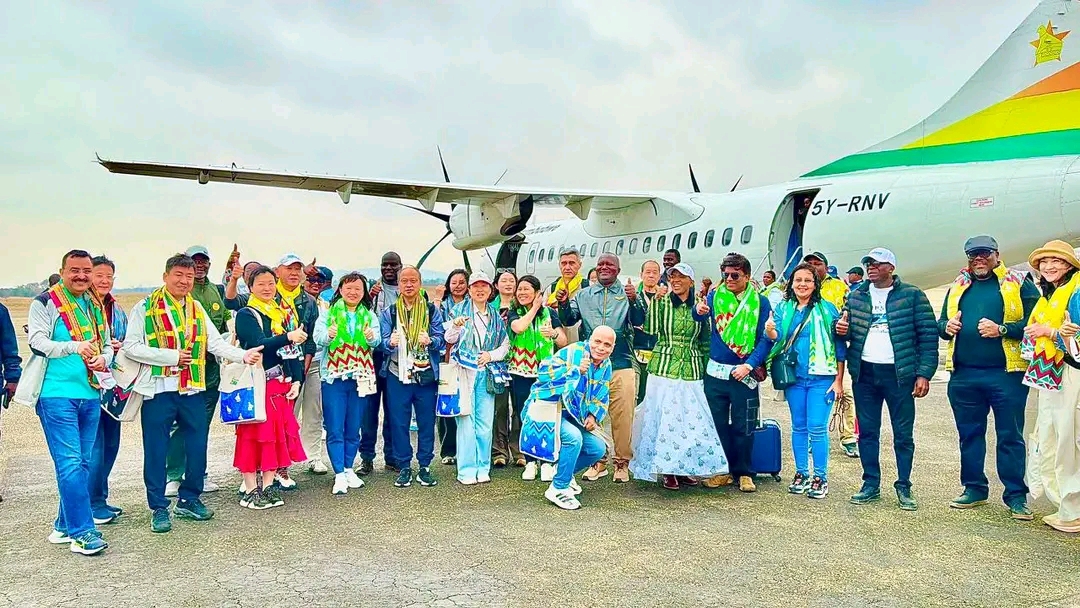
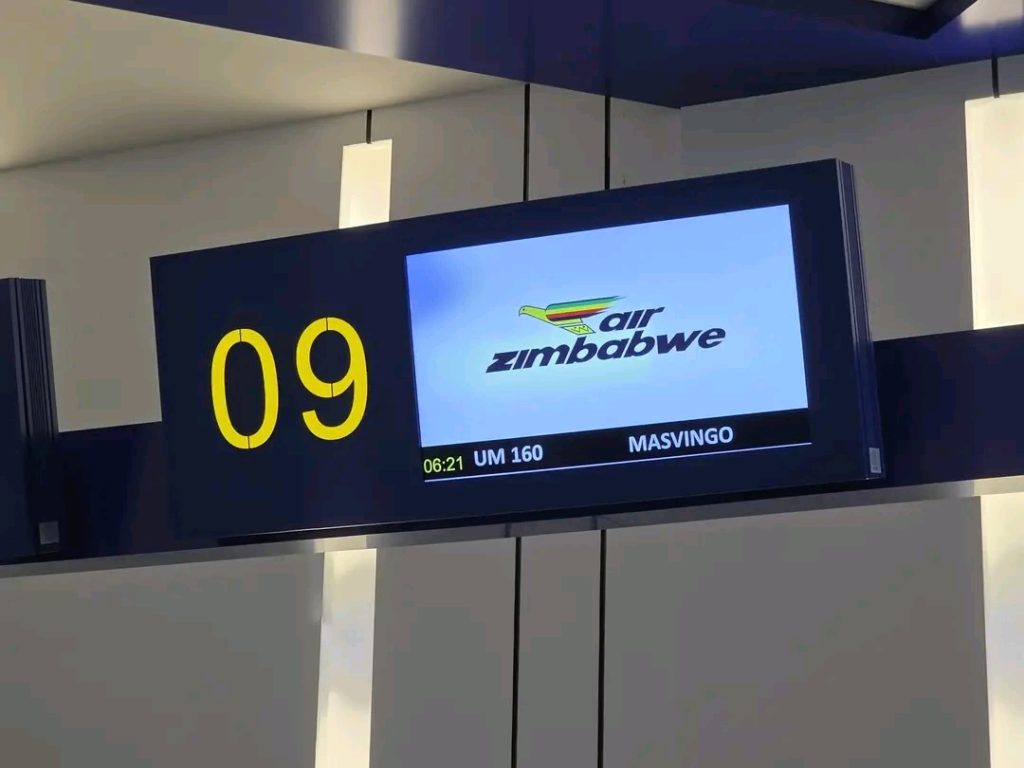
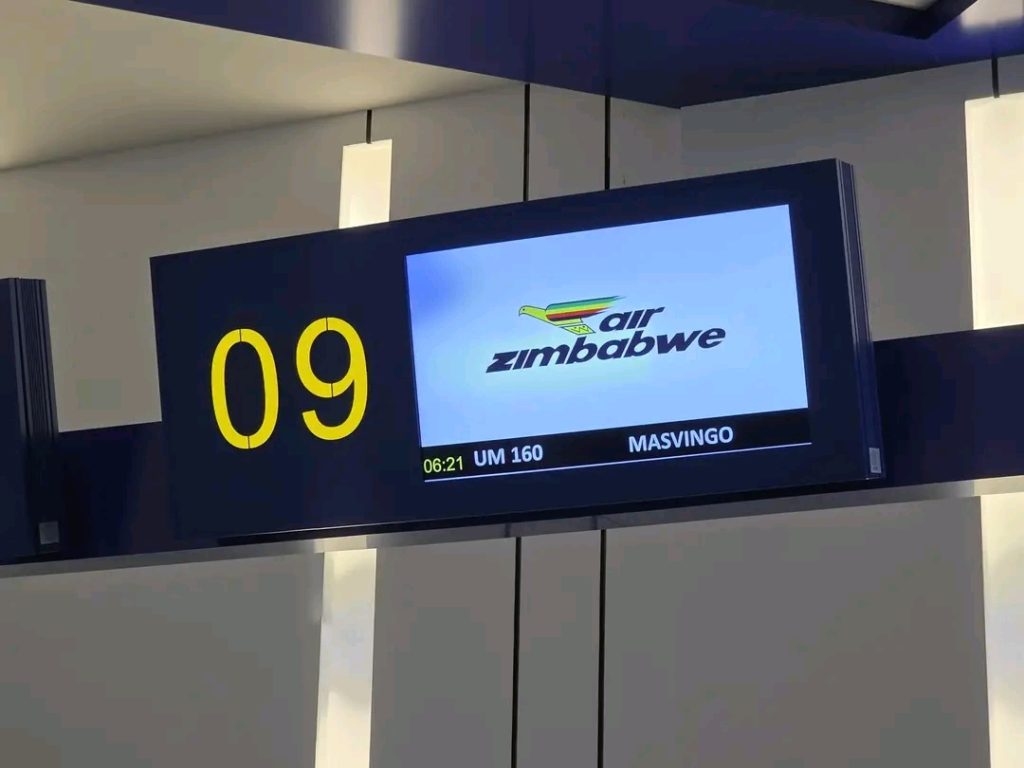
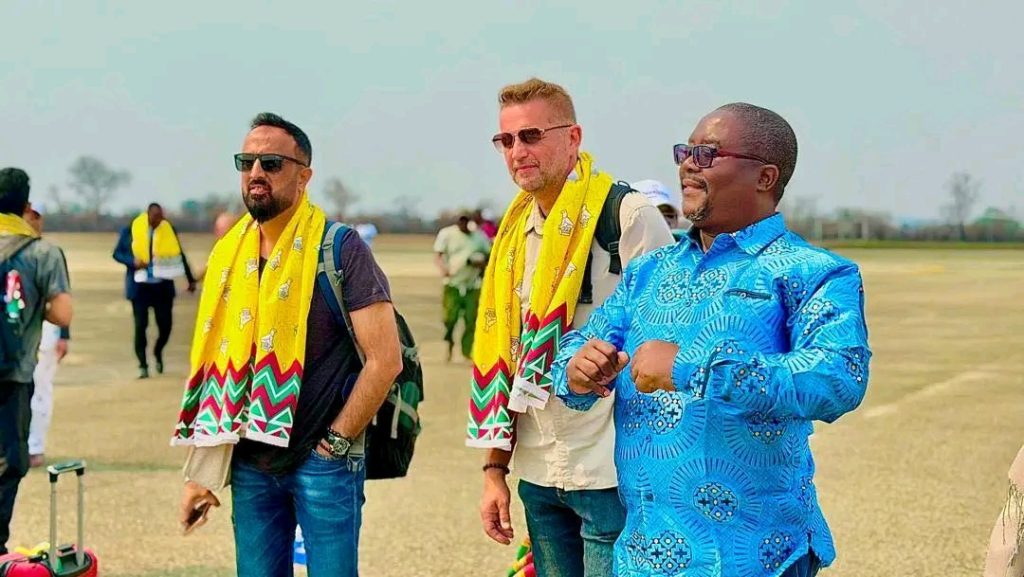
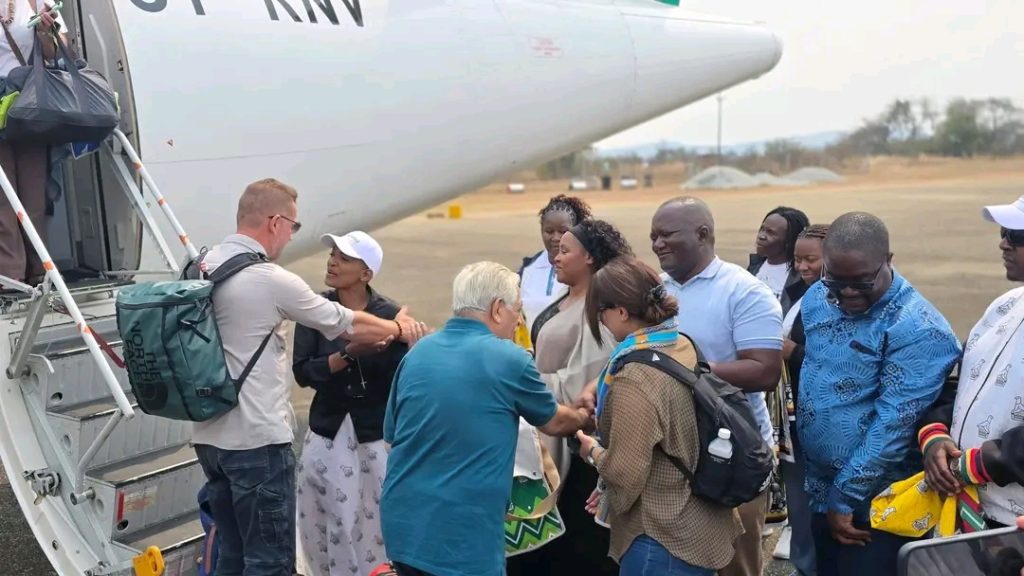
September 5, 2026, will be remembered as a significant day in Masvingo’s tourism and aviation history, as Air Zimbabwe touched down at Masvingo Airport in the morning with 48 passengers, marking the start of scheduled air services linking the city with Harare and Victoria Falls.
Air Zimbabwe says it will fly the three destinations from today and will be available to cover the expo
The new connections bring Masvingo closer to Zimbabwe’s two principal tourism gateways and come at a strategic time for the province as the country prepares to host the Sanganai/Hlanganani Dzimbahwe World Tourism Expo.
The flagship Expo, set for 9–12 September 2026 in Masvingo, has attracted 392 exhibitors, representing 98% of the 400 target and a 14.3% increase from 343 last year, and 133 international buyers, up 49.4% from 89, with participation from key global and African markets.
For Masvingo, the development is particularly significant given the destination’s tourism identity, anchored by Great Zimbabwe, the country’s most important archaeological and cultural heritage site and a UNESCO World Heritage Site as well as other tourism facilities that support other tourism clusters.
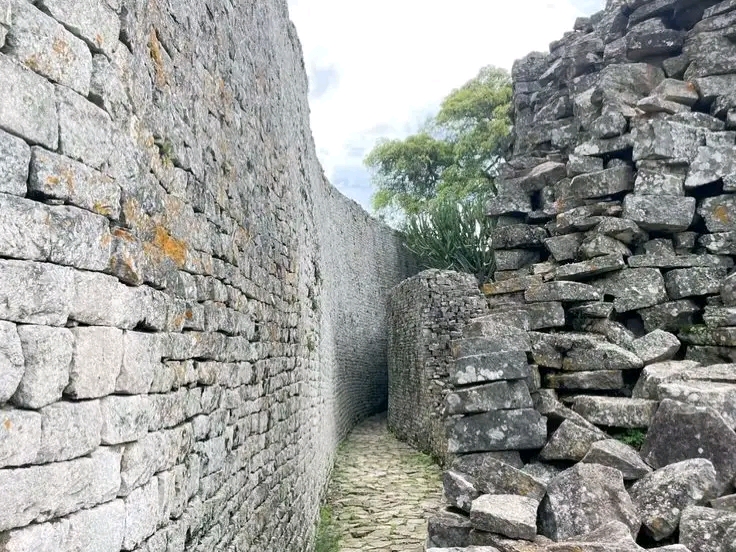
Located about 30 kilometres from Masvingo city, Great Zimbabwe is the monument from which the modern country derives its name, with Zimbabwe coming from the Shona expression dzimba dza mabwe, commonly translated as “houses of stone”. The name Masvingo itself is associated with walls, reflecting the area’s longstanding connection with Zimbabwe’s stone-built heritage.
The introduction of scheduled air services has the potential to improve access to the destination for both domestic and international visitors while strengthening links between Masvingo and Zimbabwe’s established tourism circuits.
Improved air connectivity can therefore reduce travel time for visitors and tourism professionals while making it easier for tour operators to develop itineraries that combine Masvingo with Victoria Falls, Harare and other destinations.
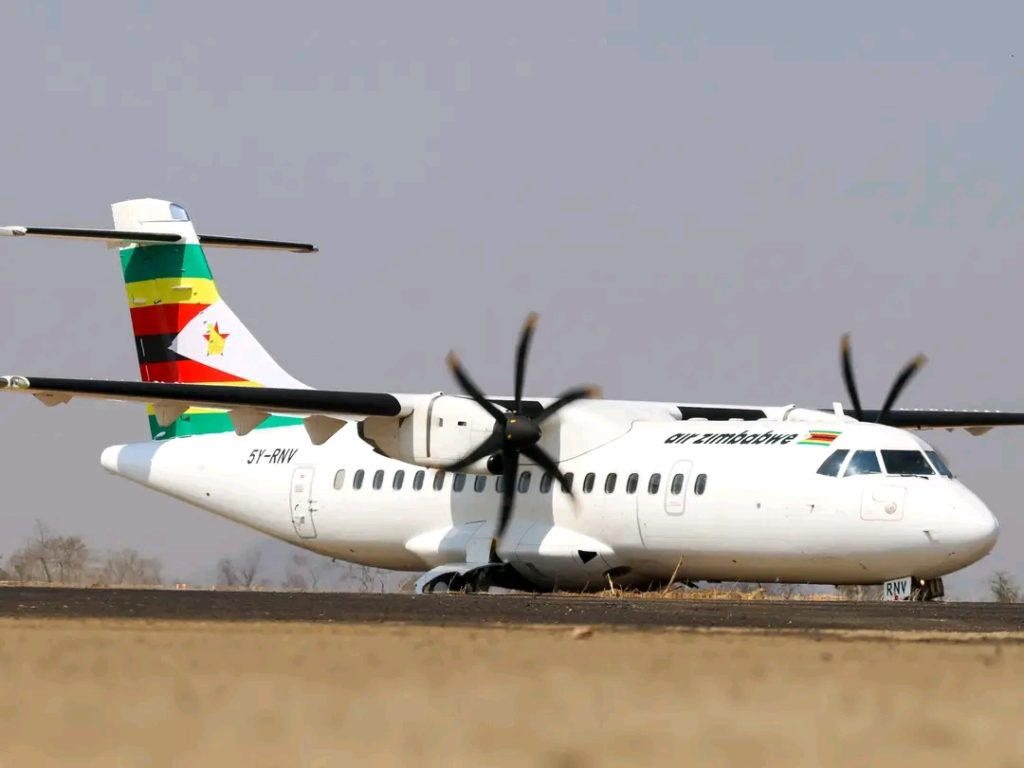
The new services are consequently important from a destination-accessibility perspective as Zimbabwe seeks to strengthen tourism circuits, improve visitor mobility and encourage greater movement between established gateways and destinations with significant cultural and heritage assets.
For the tourism industry, the ability to move visitors efficiently between destinations is an important part of developing competitive multi-destination itineraries. Victoria Falls is a major international tourism gateway, particularly for wildlife, adventure and nature-based tourism, while Masvingo offers a distinct cultural and heritage proposition through Great Zimbabwe.
The Masvingo flights also build on Zimbabwe’s recent efforts to improve domestic and international air connectivity. Following last year’s Sanganai/Hlanganani World Tourism Expo, which was held in Mutare, scheduled flights linking Harare and Mutare were introduced and have continued operating beyond the event period. Zimbabwe has also recently restored direct Harare-London services, improving access to one of its important international source markets.
The wider tourism value of such connectivity lies in its potential to support visitor dispersal, strengthen domestic tourism circuits and improve access to destinations outside the country’s traditional tourism hubs. For Masvingo, this is particularly relevant as the province seeks to leverage Great Zimbabwe and other cultural, heritage and nature-based attractions to increase its share of tourism activity.
As Zimbabwe continues to invest in tourism infrastructure and position the sector as a contributor to economic growth, connectivity will remain an important part of destination development.
The immediate focus is Sanganai/Hlanganani, but the longer-term opportunity is to establish Masvingo more firmly within Zimbabwe’s national tourism circuit.
With Great Zimbabwe providing a globally recognised heritage attraction and improved access bringing the destination closer to major tourism gateways, the new service could help strengthen the province’s position in Zimbabwe’s expanding tourism economy.