
By Dickson Bandera
Masvingo has started receiving visitors ahead of the 19th Sanganai/Hlanganani/Dzimbahwe World Tourism Expo, which will be held in Masvingo from September 9 to 12, 2026.
The province has already hosted a series of build-up events, beginning with the Sports Tourism Carnival on September 1, followed by the marathon, gastronomy conference and music festival ahead of the main expo.
The international tourism trade show has attracted 392 exhibitors, representing 98 percent of the 400 target and a 14.3 percent increase from 343 last year. International buyers have increased to 133, up 49.4 percent from 89, with participation from key global and African markets.
For Masvingo, hosting the expo provides an opportunity to present its tourism products and destinations to international buyers, media and tourism professionals who will be in the province for the event.
But the province is considerably larger than its capital and its tourism offering extends well beyond Great Zimbabwe, its best-known attraction.
Masvingo is located in south-eastern Zimbabwe and shares borders with Mozambique to the east and South Africa to the south-east. Within Zimbabwe, it borders Manicaland, Midlands and Matabeleland South provinces.
The province has a diverse geographical and economic character. Masvingo City is the main urban centre, while Chiredzi and Triangle are important commercial centres in the Lowveld. Zvishavane and Mashava, to the west, have long been associated with mining, while large parts of Gutu, Chivi, Zaka, Bikita and Mwenezi remain predominantly rural.
Its main tourism asset is Great Zimbabwe, the monumental stone city located about 30km from Masvingo City that gave the country its name.
Built between the 11th and 15th centuries, Great Zimbabwe was the centre of a powerful African state. Its dry-stone walls, including the Great Enclosure, remain among Africa’s significant archaeological and cultural heritage sites. UNESCO inscribed the site on its World Heritage List in 1986.
Beyond Great Zimbabwe, Masvingo has a range of natural and cultural attractions.
Lake Mutirikwi and Kyle Recreational Park provide opportunities for water-based and outdoor activities, while further south, Gonarezhou National Park forms part of the Great Limpopo Transfrontier Conservation Area linking Zimbabwe, Mozambique and South Africa.
The approximately 5,000-square-kilometre national park is home to elephants, lions, buffalo and other wildlife and is one of Zimbabwe’s major wilderness areas.
Save Valley Conservancy adds another significant wildlife and conservation asset, while Tokwe-Mukosi Dam has emerged as one of the province’s major water and recreational attractions.
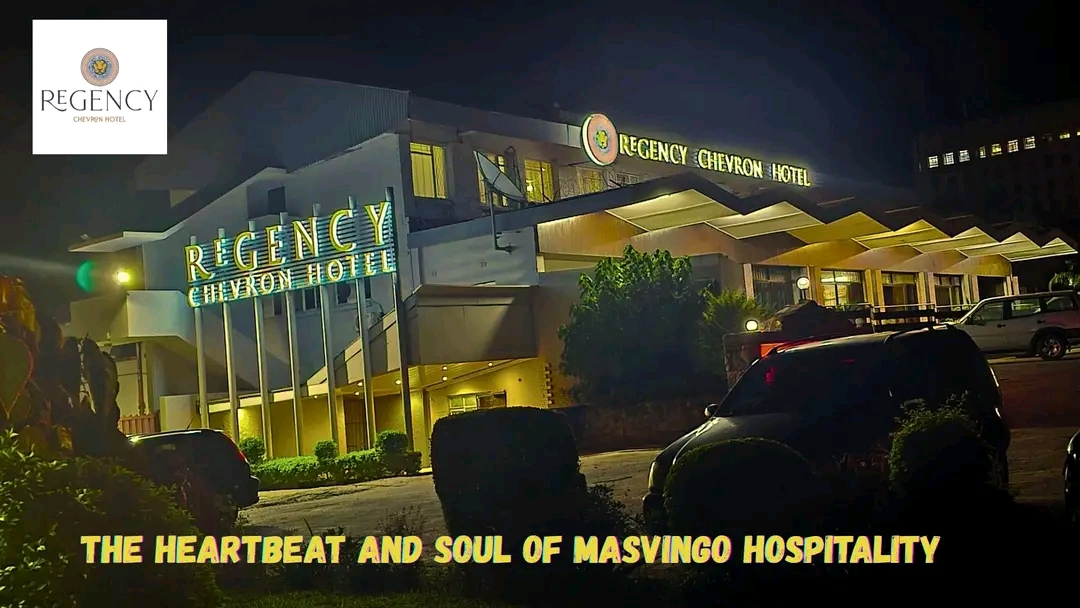
The province also has an established hospitality base, particularly in Masvingo City and around its major tourism attractions. Accommodation includes Great Zimbabwe Hotel, Regency Flamboyant Hotel, Lee’s Inn Hotel and Lodge at the Ancient City, alongside lodges, guest houses and resorts.
Conference facilities in the city also provide capacity for business events and the wider meetings, incentives, conferences and exhibitions (MICE) market.
The expo is also taking place at a time when air connectivity to Masvingo is receiving renewed attention.
Air Zimbabwe has introduced scheduled Harare-Masvingo and Victoria Falls-Masvingo services during the expo period, with the first Harare-Masvingo flight arriving on September 5 carrying visitors ahead of the event.
Masvingo Airport has also undergone preparations ahead of the expo.
The development is significant for a destination located roughly 300km from Harare by road. Improved air connectivity could make it easier for international visitors to include Masvingo in itineraries that combine destinations such as Harare and Victoria Falls.
The question for the province will be whether the exposure generated by Sanganai can translate into longer stays, increased visitor spending and repeat visits.
Hosting the four-day expo brings international buyers, exhibitors and tourism professionals into Masvingo, but the destination they encounter outside the exhibition grounds will determine how much of that exposure can be converted into actual tourism business.
For Masvingo, therefore, Sanganai is not only about hosting an international tourism trade event. It is also an opportunity to place Great Zimbabwe, Gonarezhou, Lake Mutirikwi, Tokwe-Mukosi, Save Valley and the province’s wider tourism and hospitality products in front of markets that could generate future visitors.
Zimbabwe is ready to welcome the world.