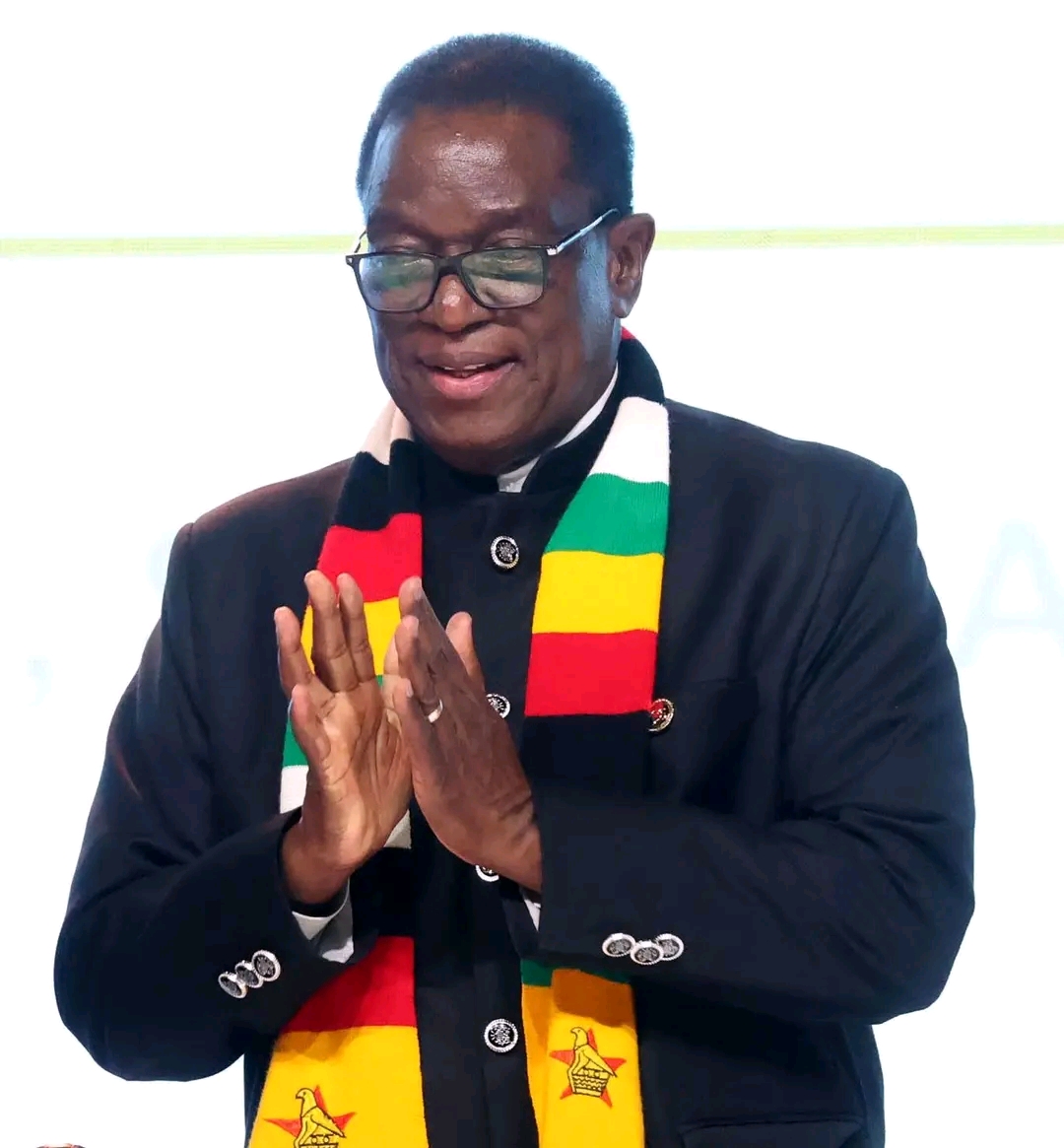


ZTA CEO Dr George Manyaya receiving an award from His Excellency President Emmerson Dambudzo Mnangagwa at the just ended Zimbabwe Agricultural Show 2026
By Dickson Bandera
For years, the cost of regulatory compliance has been part of the wider operating burden facing Zimbabwe’s tourism industry, with businesses navigating a range of licences, permits, levies and charges imposed by different authorities.
The Government’s decision to review and reduce a number of these charges is now reshaping that part of the business environment, as Zimbabwe seeks to make tourism more competitive and create a more favourable environment for investment.
The reforms stem from a Cabinet decision of August 26, 2025 approving a review of tourism licences, permits, levies and fees charged by Government ministries, departments and agencies. This was followed by the February 2026 Statutory Instrument 27 which gazetted new fees that are friendly to the business.
Rather than being a single fee reduction, the exercise was designed as a broader review of how tourism businesses interact with the regulatory system.
Cabinet identified the removal of unjustifiable licences and permits, elimination of duplication and overlapping requirements, reduction and capping of fees and levies, and harmonisation of local-authority charges as key objectives.
The reforms cover the accommodation, hospitality and catering, tour guiding and tour operations, boating and vehicle-rental value chains.
What changed?
Under Statutory Instrument 27 of 2026, gazetted on February 6, annual hotel licensing fees are set at US$200 for a one-star hotel, US$400 for two-star, US$600 for three-star, US$1,000 for four-star and US$2,000 for five-star hotels.
Guest houses and lodges rated between one and three stars pay US$200 annually, while those rated four stars and above pay US$300.
The application fee for registration of a designated tourist facility is US$20 and is non-refundable.
But the changes extend well beyond hotels.
A professional tour guide licence costs US$20 a year, while a tour operator licence costs US$300 and a travel agency licence US$150.
Conference operators and venues are charged US$250, while event planners pay US$200.
The regulations also provide for charges applicable to recreational facilities, hunting operators, fast-food outlets, takeaway businesses and other tourism-related activities.
The local-authority dimension
One of the significant aspects of the reform is its extension to charges imposed by local authorities.
The 2026 Model Fees By-laws provide for a 50 percent reduction in a number of tourism-related local-authority licences, including those applicable to hotels, lodges, guest houses, restaurants, motels, hostels and self-catering accommodation, subject to specified caps.
Some charges have also been abolished, including the place-of-assembly fee for hotels and a fire fuel-storage licence.
For tourism businesses, the importance of these changes lies in their cumulative effect.
A hotel, lodge, restaurant or other tourism establishment does not operate under a single regulatory charge. Its overall cost of compliance is made up of a number of licences, permits, inspections and local-authority requirements.
Why the Government changed the system
The reform was driven in part by concerns about the regulatory burden facing tourism businesses.
Tourism and Hospitality Industry Minister Barbara Rwodzi said in August 2025 that the Government was responding to what she described as a “choking regulatory environment”.
The intention was to remove unnecessary licences and permits, address overlapping regulatory requirements and bring down fees and levies considered too high for businesses to sustain.
At the time, Rwodzi said many of the charges under review could be reduced by about 50 percent, although the actual reduction varies according to the particular licence or charge.
Finance Minister Mthuli Ncube subsequently incorporated the reforms into the 2026 National Budget as part of the wider effort to improve Zimbabwe’s business environment.
The tourism review formed part of a broader Government programme covering 12 sectors.
Why it matters to tourism
The importance of the reforms becomes clearer when viewed against the economics of tourism.
Tourism is an internationally competitive industry. Zimbabwe is competing with destinations across Southern Africa for tourists, conferences, investment and the foreign currency generated by visitors.
For an investor considering a hotel, lodge, tour company or other tourism enterprise, the cost of regulatory compliance is one component of the overall cost of doing business.
Construction costs, utilities, taxation, labour, transport, insurance and financing all influence the viability of an investment. So too do the costs and administrative requirements associated with licences and permits.
Lower regulatory charges can improve the economics of existing businesses and potentially make new tourism projects more attractive.
For smaller operators, the effect can be particularly important because fixed regulatory costs can represent a larger proportion of their operating expenses.
More than just cheaper licences
The significance of the reform is therefore not simply that some tourism licences now cost less.
It represents an attempt to make the regulatory environment more predictable and proportionate to the activities being regulated.
Zimbabwe’s National Development Strategy identifies the consolidation of overlapping regulatory requirements, reduction and capping of fees and levies, and harmonisation of local-authority charges as part of the country’s broader ease-of-doing-business agenda.
The Tourism Act continues to provide the regulatory framework for designated tourism facilities, including registration and grading requirements, with the Zimbabwe Tourism Authority responsible for enforcing relevant provisions.