

By Dickson Bandera
Conservation organisations from across Southern Africa have launched a regional alliance aimed at protecting some of Africa’s most threatened birds by making the landscapes where they feed, breed and travel safer.
The Vulture Safe Zone Alliance (VSZA) was launched in Harare on Saturday, September 5, bringing together conservation organisations and partners working to reduce the threats facing vultures across the region.
The initiative seeks to expand Vulture Safe Zones beyond national parks and other formally protected areas to include communal lands, commercial farms, private conservancies and other landscapes used by vultures.
This is significant because vultures do not confine their movements to protected areas or national borders. Their conservation therefore increasingly requires cooperation among communities, landowners, governments and conservation organisations across entire landscapes.
The alliance brings together BirdLife International and its partners, Raptors Botswana and the Endangered Wildlife Trust (EWT), among other conservation organisations.
At the centre of the initiative are Vulture Safe Zone guidelines designed to give landowners, communities, conservation agencies and governments a common framework for reducing threats to vultures.
A Vulture Safe Zone is an area in which conservation measures are deliberately implemented to reduce threats to the vulture species found there and maintain conditions in which the birds can feed, roost and breed.
The approach can include measures to prevent poisoning, reduce collisions and electrocutions on power infrastructure, protect breeding and roosting sites, improve land-use practices and address other threats specific to individual landscapes.
A continent-wide crisis
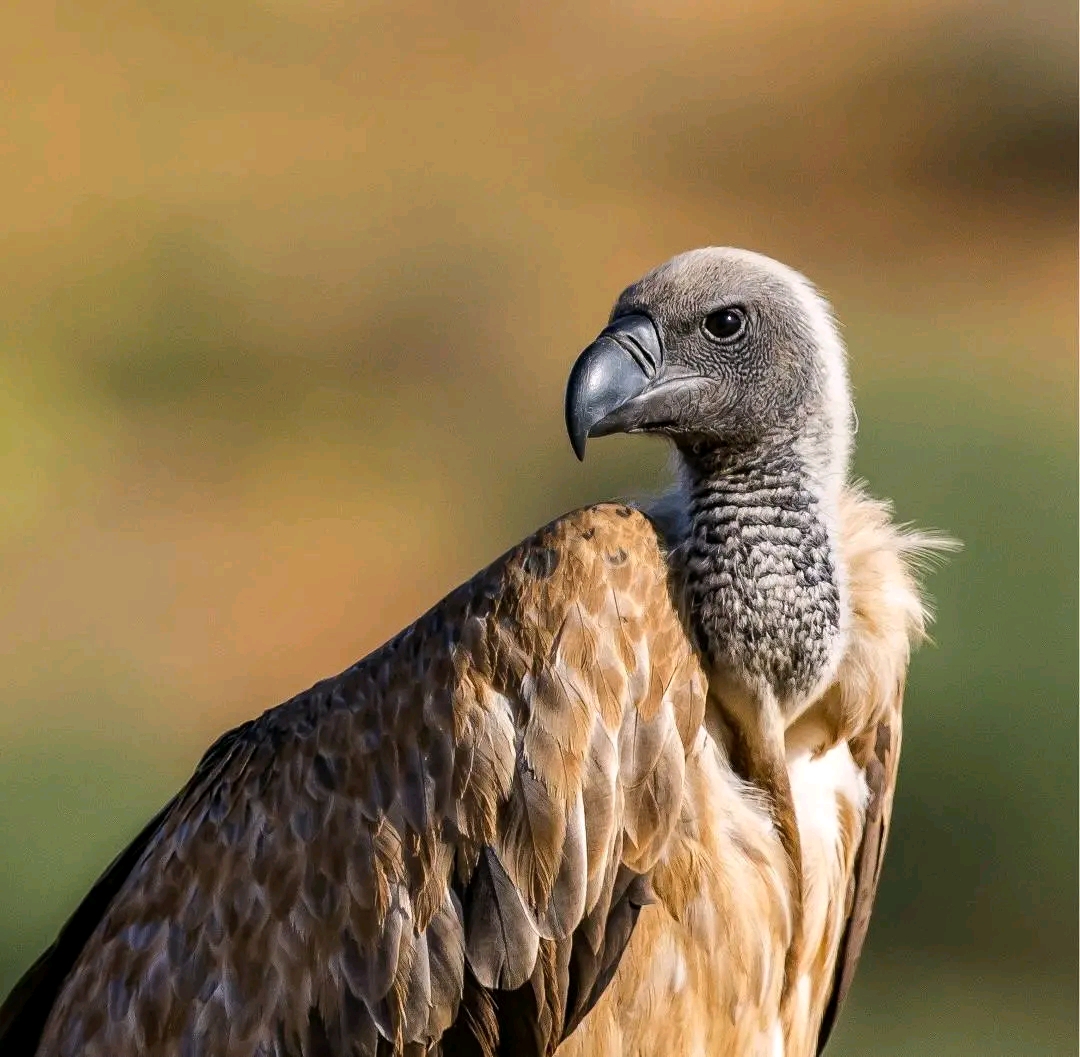
The alliance is being established against the backdrop of a severe decline in Africa’s vulture populations.
BirdLife International says Africa has 11 vulture species, with seven now at risk of extinction. Across the continent, populations of some vulture species have fallen by between 80% and 97% over the past five decades.
The decline has been driven by several factors, with poisoning among the most serious.
BirdLife estimates that poisoning is responsible for about 61% of recorded vulture deaths in Africa, followed by killing for belief-based uses at about 29%, while electrocution associated with energy infrastructure accounts for about 9%.
Vultures can also be killed when they feed on poisoned carcasses intended to eliminate predators such as lions, hyenas or jackals. In some cases, poachers deliberately poison carcasses to prevent vultures from circling over dead animals and drawing attention to illegal wildlife killings.
The birds also face collisions with power infrastructure, electrocution, habitat loss, disturbance at breeding sites and exposure to toxic substances.
Why vultures matter
Despite their often-negative image, vultures perform an important ecological service.
As highly efficient scavengers, they rapidly remove carcasses from the environment. This helps dispose of animal remains and can reduce the accumulation of organic material that could otherwise contribute to the spread of pathogens.
The economic value of that service is substantial.
A BirdLife International report published in 2025 estimated that vultures provide about US$1.8 billion in ecosystem services each year in Southern Africa, based on an assessment covering Botswana, Zimbabwe and Zambia. The calculation included sanitation, pest-control and other ecosystem services as well as their broader conservation value.
The loss of vultures, therefore, is not simply a biodiversity problem. It can also have implications for ecosystem health, livestock systems and communities that depend on functioning natural landscapes.
More than two million hectares
The Vulture Safe Zone approach is not entirely new. Conservation organisations have spent several years developing networks of landowners and communities willing to manage their properties in ways that reduce risks to vultures.
The Endangered Wildlife Trust says more than 350 property owners have committed to making their properties vulture-safe, with the properties covering approximately 1.8 million hectares across Southern Africa. Other project information places the broader area covered by commitments at more than two million hectares.
The intention of the new alliance is to connect and expand such initiatives into a more coordinated regional network.
Existing Vulture Safe Zone projects include areas in South Africa as well as landscapes connecting Botswana, Zimbabwe and South Africa.
The Greater Mapungubwe Vulture Safe Zone, for example, extends along the Limpopo River and links the three countries, demonstrating the importance of managing vulture habitat across political boundaries.
Zimbabwe already has a model
Zimbabwe is not starting from scratch.
BirdLife Zimbabwe has been implementing Vulture Safe Zone measures in the Gwayi Environmental Conservation Area, on the southern boundary of Hwange National Park.
The organisation says Gwayi has become the country’s first Vulture Safe Zone, with landowners and communities involved in efforts to prevent poisoning, monitor vultures and protect nesting areas.
Research presented through the Pan African Ornithological Congress recorded more than 120 breeding pairs in Gwayi over two breeding seasons, underlining the area’s importance for vulture conservation.
The experience is important because much of the future of vulture conservation will depend on what happens outside formally protected areas.
Large ranches, farms, communal lands and other privately or communally managed landscapes can provide important feeding and breeding habitat if threats are reduced.
What the alliance means for communities
The Vulture Safe Zone model places land users at the centre of conservation rather than treating wildlife protection as an activity confined to national parks.
Under the approach, landowners and communities can be supported to identify threats on their properties and introduce measures to reduce them.
These can include avoiding indiscriminate poisoning, using safer approaches to predator control, reducing risks from powerlines and other infrastructure, protecting nesting and roosting sites and ensuring that supplementary feeding areas are managed safely.
For governments and conservation agencies, the approach also creates an opportunity to coordinate policies and conservation investments across borders.
For vultures, the objective is straightforward: create sufficiently large areas in which the birds can feed, move, roost and reproduce without facing the same level of human-created threats.
The launch of the Vulture Safe Zone Alliance therefore marks an attempt to move Southern African vulture conservation from isolated projects towards a connected regional strategy.
With populations having already fallen dramatically over the past half-century, conservationists are betting that making landscapes safer — and linking those landscapes across borders — can give the region’s threatened scavengers a better chance of recovery.